Project description
In Cyprus, the mill heritage is a relatively new field of research. Within the framework of two projects (1998-2000, 2005-2008), a team of architects, archaeologists and historians of the University of Cyprus, located and recorded numerous watermills in areas throughout the island. Drawing on these two previous projects, the same team resumed and enhanced the research of mills, including the almost completely unexplored animal-driven mills and windmills.
GraMiC focuses on the grain-grinding mills all over Cyprus, with a view to document them as an integral part of the rural environment and traditional life on the island over a span of time extending from the 16th to the 20th century. During these centuries Cyprus was found under the rule of three different masters: Venetians (1489-1570), Ottomans (1571-1878) and British (1878-1960). The targets of this new project will be accomplished with an interdisciplinary approach and with the aid of Digital Technologies (Digital Database, 3D documentation). The project’s ultimate aim is to create a basis for further research and give impetus to the preservation and restoration of mills.Windmills
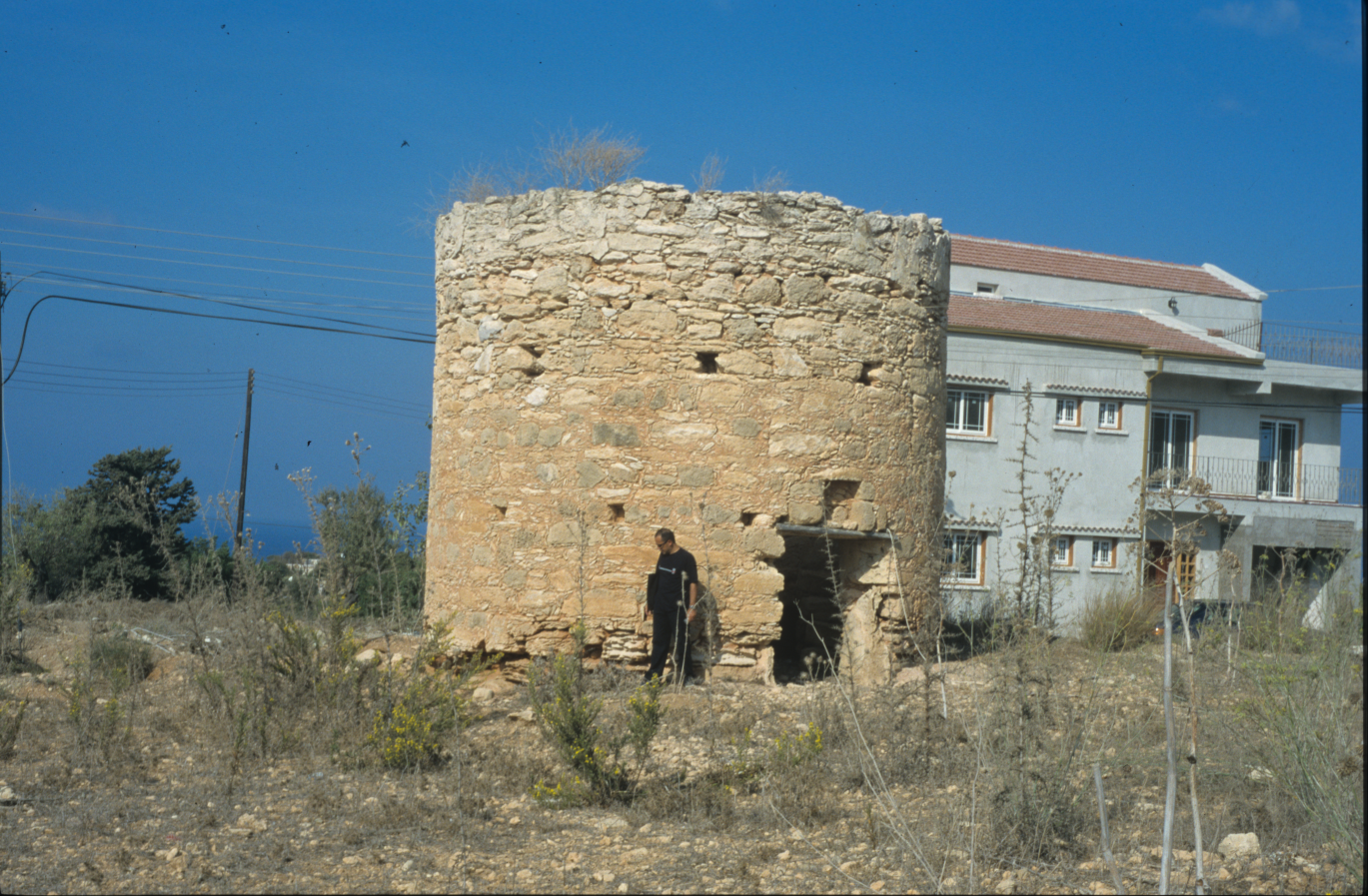
Animal-driven mills
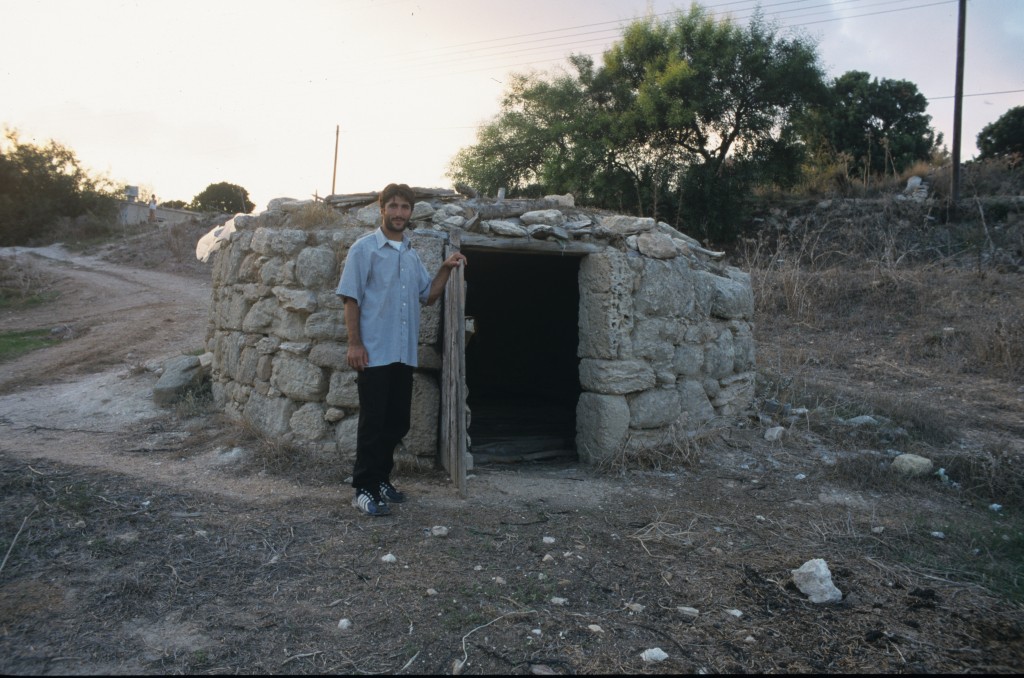
Watermills
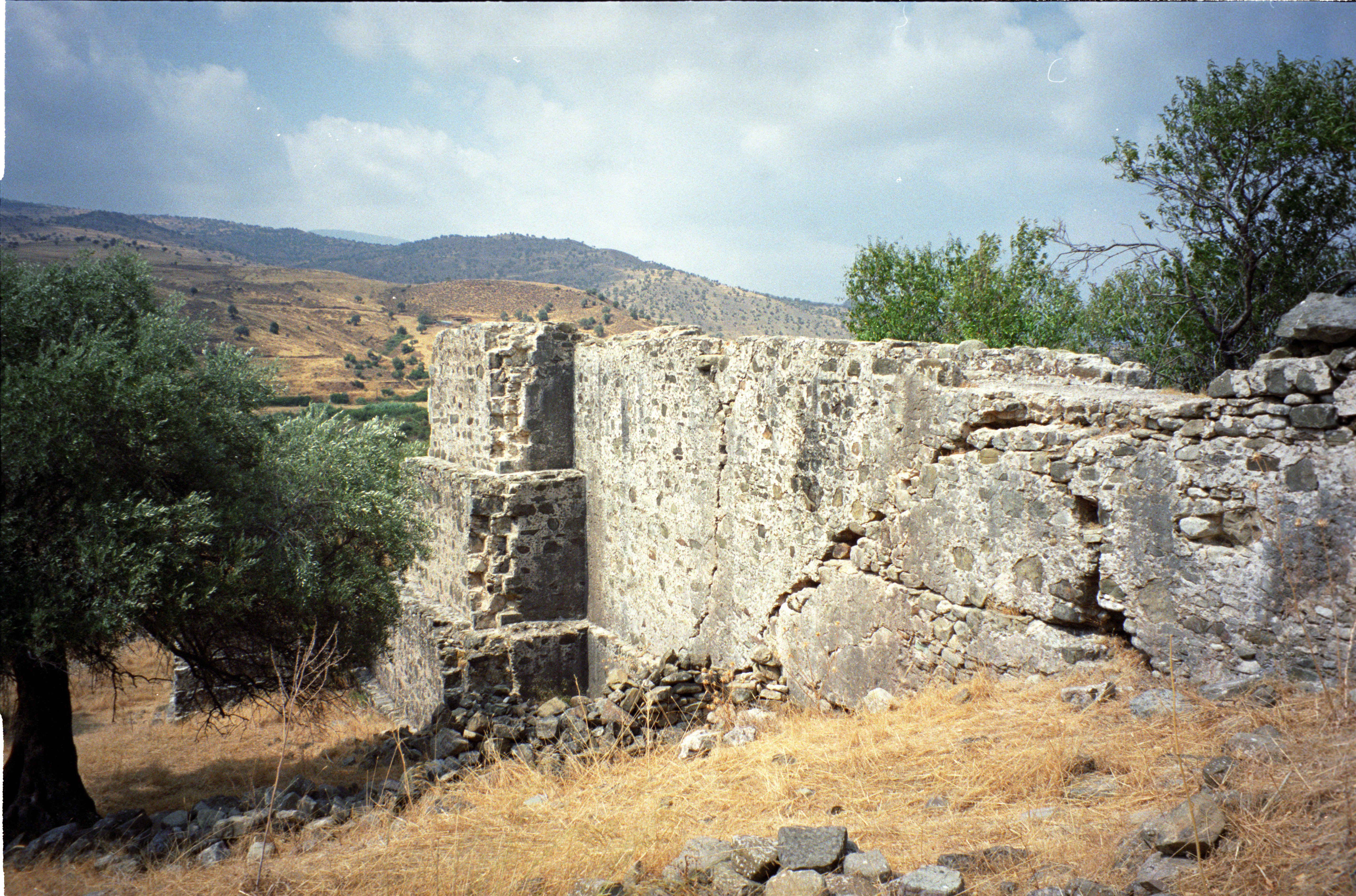
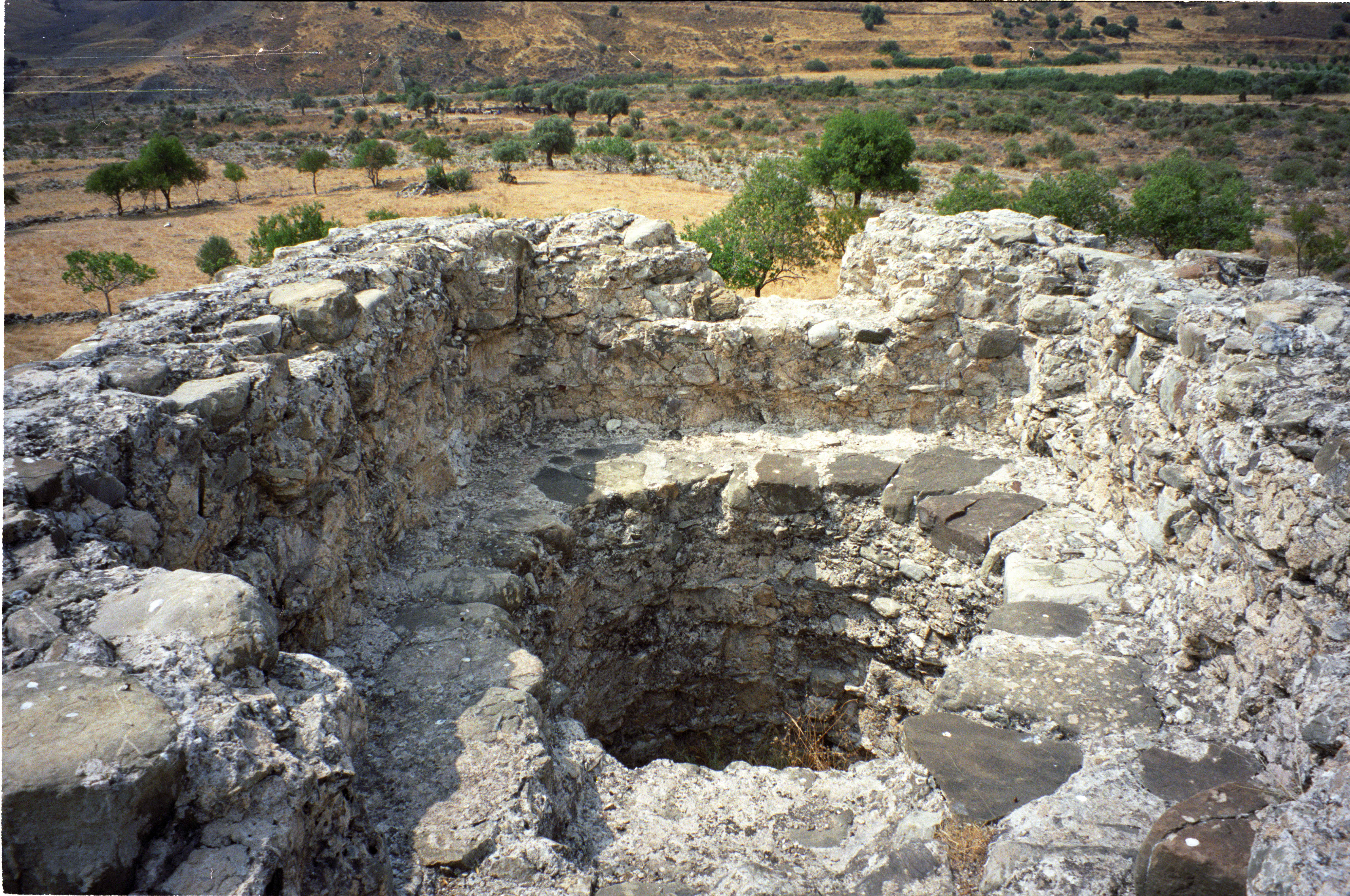
Waterpower has been the most common source of energy exploited for grinding purposes and the watermill was the most widespread kind of mill in Cyprus. The presence of watermills on the island is documented from the 12th to the 20th century and more than 300 examples are still preserved, most of them in a ruinous state. The operation of hundreds of watermills presupposes plenty of water. In fact, the geological evolution of the Troodos mountain range over more than 20 million years, especially its differential uplifting, created an impressive topography with an altitude of about 2,000m. The topography increased dramatically the perennial precipitation (more than 1,000mm) and the penetration of water into its deeper parts. This underground water formed springs at various elevations of the Troodos mountain range and supplied water to the rivers even during the dry seasons. Hydraulic infrastructure works made in order to divert, collect, store and direct the water, form an important part of the watermill. Water from river or spring was directed to the mill by means of a feeder channel, which could be dug out of the earth, or rock-cut, and then continued with an aqueduct that brought the water to a tower-like mill race. The aqueduct, in the form of a rendered channel, ran along the top of a tall stout wall, sometimes with buttresses on either side. In other cases the aqueduct was carried on an arch or a series of arches. The water channel ended on the top of the shaft of the tower. The penstock or chute conveyed the water down behind the working floor of the mill building, where the grinding mechanism with the millstones was installed, to the nozzle in the wheel chamber. The vast majority of Cypriot watermills were provided with a horizontal wheel; there are only a few examples with a vertical, externally mounted wheel.
As a rule, mills were built in sites with a steep incline, which allowed for a fast flow of water above the mill and an efficient run off below. The features of the landscape were utilized to the utmost.
The droptower is the dominant feature of the watermill. In most surviving examples it is square or rectangular in plan with steps on the front or on all three sides, or even cylindrical in some cases. Aqueducts and water towers are impressive stone built structures, which still form a striking feature of the Cypriot landscape. The use of local stone in each case differentiates their masonry and general morphology. The mill building is placed in contact with the lower visible part of the tower. Adjoining or separate auxiliary rooms served as storerooms or stables. The miller’s residence could be either part of the same building or a separate unit nearby.
In some areas (e.g. Kritou Terra, Lapithos) mills were arranged in small groups or in larger complexes along the river, making use of the water one after another. The most interesting case were the 32 mills of Kythrea, which were fed from the head-spring.
The decline of traditional watermills in the course of the 20th century was due to several factors, such as the development of technology, increasing urbanization, merchant milling, etc. A crucial factor was the decrease in rainfall, which, combined with the overexploitation of water resources, deprived mills of their driving power.